Best Credit Cards for International Students in the US
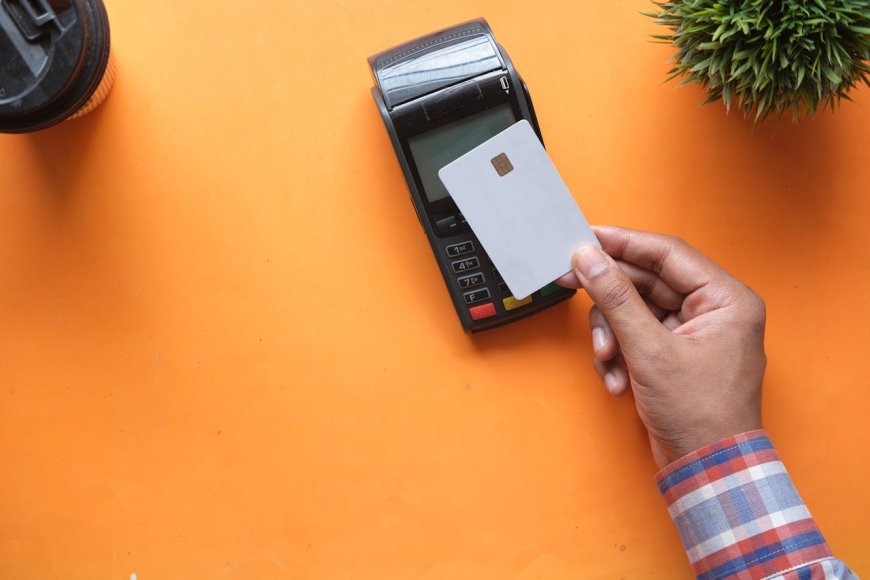
You've arrived in the US, survived your first week of orientation, and figured out where the nearest grocery store is. But there's one thing that nobody quite prepared you for: the credit system. In America, your financial life runs on a three-digit number you haven't started building yet. The sooner you get a credit card, and the right one, the faster that number grows. Here's everything you need to know.
Why the right card matters more than you think
Not all credit cards are created equal, and for international students, the difference between a good card and a bad one can mean hundreds of dollars in unnecessary fees, a hard inquiry that lowers your score before you've even started, or, worst case, a rejection, leaving you no better off than when you began.
The good news is that the US market has actually developed some genuinely useful products specifically for people in your situation. You don't need a Social Security Number (SSN) for all of them. You don't need years of US credit history. What you do need is the right information, and that's what this guide is for.
What to look for in a credit card as an international student
Before diving into specific cards, it's worth understanding the five features that actually matter for your situation.
No SSN requirement (or ITIN accepted).
Most standard US credit cards require a Social Security Number, which international students on F-1 visas may not have on arrival. Some cards accept an Individual Taxpayer Identification Number (ITIN) instead, while a handful designed specifically for international students don't require either.
No annual fee.
As a student managing tuition, rent, and everyday expenses, you shouldn't be paying to hold a card. There are strong options available with zero annual fees.
No foreign transaction fees.
If you travel home during breaks or make purchases in a foreign currency, a card that charges 3% on every foreign transaction can add up fast. Aim for a card that waives these fees entirely.
Reports to all three major credit bureaus.
The whole point of getting a credit card is to build your credit history. Make sure your card reports to Equifax, Experian, and TransUnion, not just one or two.
Low or manageable APR. Student cards typically carry higher interest rates than standard cards. Since you'll be paying your balance in full each month anyway (more on that later), this matters less, but it's still worth knowing what you're dealing with.
The best credit cards for international students in the US
1. Firstcard Secured Credit Builder Card: Best for no SSN, no credit history
If you've just arrived in the US with a passport and a student visa and nothing else, Firstcard is arguably your best starting point. It's one of the only cards on the market that doesn't require an SSN, an ITIN, or any existing credit history. You apply with your passport and visa documentation, and approval typically comes through quickly.
It's a secured card, which means your deposit funds are your credit limit, but it operates at 0% APR, which is exceptional for a product in this category. Users earn 1% cashback on purchases with a premium subscription, and the app includes a built-in credit score tracker so you can watch your number grow in real time.
The card reports to the major credit bureaus, and Firstcard claims users see an average score increase within the first few months of responsible use. It won't be your forever card, but as a launchpad, it's hard to beat.
Best for: Students who have just arrived and haven’t got an SSN or ITIN yet.
2. Deserve EDU Mastercard: Best no-fee card for students without SSN
The Deserve EDU Mastercard was built specifically with international students in mind, and it shows. There's no annual fee, no security deposit required, and no SSN needed. You can apply using a US bank account and proof of enrollment at a US university.
Cardholders earn 1% cashback on all purchases, and there's a particularly useful perk for students: one year of Amazon Prime Student membership included with the card. Given how much students spend on Amazon for textbooks and supplies, this alone can offset a semester's worth of purchases.
The card reports to all three major credit bureaus and comes with no foreign transaction fees, making it a solid companion for international travel during semester breaks. For students who want a simple, clean card to get started without navigating the SSN hurdle, Deserve EDU is a consistently strong choice.
Best for: Students enrolled at a US university who have a US bank account but no SSN.
3. Capital One Quicksilver Student Cash Rewards: Best flat-rate rewards card
Capital One has built a reputation for being more accessible to international students and newcomers than most major US banks. Their Quicksilver Student card allows applicants to use an ITIN in place of an SSN. It is reachable for many international students after a few months of establishing themselves in the country.
The card earns 1.5% cashback on every purchase with no categories to track, no caps, and no rotating quarters to activate. There's no annual fee and no foreign transaction fee, a combination that makes it genuinely useful both on campus and when travelling. Capital One also offers 5% back on hotels and rental cars booked through their travel portal, which can be handy for students who travel frequently.
The APR on student cards tends to run high, so this card rewards those who pay in full each month. Used correctly, it's one of the most rewarding student cards available once you have an ITIN.
Best for: Students with an ITIN who want simple, consistent cashback rewards.
4. Capital One Savor Student Cash Rewards: Best for food and entertainment
For students who spend heavily on dining out, food delivery, and entertainment, which, let's be honest, is most students, the Savor Student card is worth a close look. It offers cashback in categories that match student spending patterns: dining, grocery stores, entertainment, and streaming services.
Like the Quicksilver, it accepts ITIN instead of SSN, carries no annual fee, and charges no foreign transaction fees. Capital One also reports authorised user activity to the credit bureaus, which is useful if you're added to a family member's account as a supplementary cardholder.
If your monthly budget skews toward food rather than general purchases, the Savor will outperform a flat-rate card fairly quickly.
Best for: Students who spend the most on food, streaming, and going out.
5. Zolve Credit Card: Best high-limit option for pre-arrival applicants
Zolve takes a different approach to the international student market. Students from India (and a growing number of other countries) can apply for a Zolve credit card before they even land in the US, get approved, receive a virtual card, and have the physical card waiting on arrival. No SSN or ITIN required.
Credit limits can reach up to US$15,000, which is significantly higher than most student cards, though the actual limit issued depends on individual assessment. The card earns cashback on purchases and charges no annual fee.
Zolve operates as a fintech company rather than a traditional bank, partnering with FDIC-insured institutions for the underlying accounts. For students who want to hit the ground running financially before they even board their flight, it offers a genuinely useful head start.
Best for: Students who want to set up a US credit before arriving, particularly those from India.
6. Discover it Student Cash Back: Best welcome bonus for eligible students
Discover is a major US card issuer that accepts an ITIN in place of an SSN, making it accessible for a significant portion of international students. Their Student Cash Back card earns up to 5% cashback in rotating quarterly categories; grocery stores and petrol stations are subject to activation and a spending cap. All other purchases earn 1% back.
The real standout feature is the first-year cashback match: Discover automatically doubles all the cashback you've earned at the end of your first year. For a student spending consistently throughout their first year, this welcome offer is hard to beat among student cards.
There's no annual fee and no foreign transaction fee. Credit limits start low as expected for student cards, but can increase with demonstrated responsible use.
Best for: Students with an ITIN who want to maximise their first year of card use.
What about secured credit cards?
If you can't qualify for any of the cards above, perhaps because your documentation isn't in order yet, or you've had a bumpy start financially, a secured credit card is an excellent fallback.
With a secured card, you deposit a sum of money (typically between US$200 and US$500) that becomes your credit limit. The card then works exactly like a regular credit card. You spend, you pay it off, and your credit history grows.
The Self Visa Secured Card is worth knowing about here. It's been recognised by Forbes as a strong option for newcomers and international students, requires a deposit starting from US$100, and reports to all three credit bureaus with no hard credit inquiry on application.
Secured cards are not a lesser option. They're a proven, responsible way to build credit when other doors aren't yet open to you.
The one rule that overrides everything else
It doesn't matter which card you choose if you don't follow this: pay your balance in full, every single month.
Credit cards in the US carry interest rates that often exceed 20% APR. Carry a balance for even a few months, and you'll pay significantly more than you borrowed, while also signalling to future lenders that you struggle to manage credit.
Set up autopay for the full statement balance. Check your account once a week. Keep your spending to no more than 30% of your available credit limit. Do those three things consistently, and whatever card you choose will serve you well.
Frequently asked questions
Can I get a US credit card as an F-1 student without an SSN?
Yes. Cards like Firstcard and Deserve EDU are specifically designed for international students without an SSN. Many others accept an ITIN instead.
What is an ITIN, and how do I get one?
An Individual Taxpayer Identification Number is issued by the IRS and can be used in place of an SSN for many financial applications. You apply using IRS Form W-7. Your university's international student office can often assist with this process.
Does applying for a credit card hurt my credit score?
Most credit card applications trigger a hard inquiry, which can temporarily lower your score by a small amount. Avoid applying for multiple cards at once. Firstcard is an exception; it doesn't require a hard credit inquiry on application.
How long does it take to build a good credit score in the US?
With consistent, responsible use of a single credit card, most students reach a fair credit score within six to nine months and a good score within twelve to eighteen months.
Should I get a credit card from my home country's bank instead?
Using a card from your home bank while studying in the US can work for transactions, but it typically doesn't build a US credit history. For the long-term financial benefits, a US-issued card is far more valuable.
What's Your Reaction?
 Like
0
Like
0
 Dislike
0
Dislike
0
 Love
0
Love
0
 Funny
0
Funny
0
 Wow
0
Wow
0
 Sad
0
Sad
0
 Angry
0
Angry
0

Instuly is the go-to website to discover side hustle ideas, tech and marketing skills, and ways to earn money as a student.