Best apps to save money on food as a student
Student budgets are tighter than ever. With rent, tuition, and the rising cost of living, food is often the first thing students cut back on. But a growing wave of apps is making it easier to eat well for less by rescuing surplus food from restaurants and bakeries, offering discounted near‑expiry groceries, and even connecting neighbours who have food to spare. No matter where you’re studying, there are now tools that can help you stretch your budget without sacrificing quality.
Around one‑third of all food produced globally goes to waste every year. At the same time, 70% of students say food costs are a major financial concern. With the average savings on a meal‑rescue bag often exceeding £5, rescuing just one surplus bag a week can save a student more than £200 a year.
Surplus food rescue apps are the closest thing to a “magic deal” button. Restaurants, bakeries, cafés, and supermarkets list their unsold food at the end of the day, and you can pick it up for a fraction of the original price.
Too Good To Go
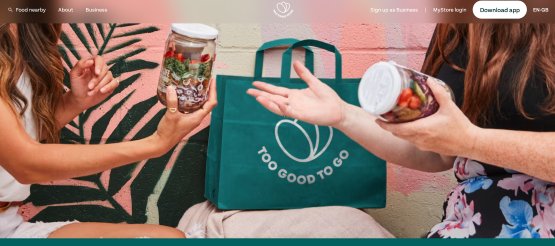
Too Good To Go is the original and most widely used option. It connects you with local businesses offering “Magic Bags” of unsold food, usually worth two to three times what you pay. You don’t know exactly what’s inside, but the quality is consistently fresh, and the savings are significant. It operates in more than 17 countries, so it’s likely available wherever you study. Students often check the app at lunchtime and again after 5 pm, when new bags tend to appear.
OLIO
OLIO works as a neighbourhood food‑sharing board. People and businesses post food they no longer need, and you can collect it for free. It also includes non‑food items like clothes, furniture, and kitchenware, making it especially useful for students moving into a new flat. Listing your own leftover ingredients before they expire helps build goodwill, and neighbours often return the favour.
Karma
Karma offers a similar concept to Too Good To Go, but lets you choose exactly what you want. Instead of surprise bags, each item is listed individually. It began in Sweden and is now active in London, Brighton, and parts of Europe. It’s a great option for students with dietary restrictions who prefer to avoid surprises.
Phenix
Phenix, popular in France and Belgium, connects users with unsold food from supermarkets and restaurants. If you’re studying in France or on an Erasmus placement there, it’s a strong companion app to Too Good To Go.
ResQ Club
ResQ Club, based in Finland and active across Germany, Poland, and the Nordics, works much like Too Good To Go. Students in Northern or Central Europe often install both apps to maximise coverage, especially in cities like Helsinki, Warsaw, and Munich.
Beyond meal‑rescue apps, discounted grocery apps focus on near‑expiry supermarket products, often offering savings of 50% or more.
Flashfood
In the US and Canada, Flashfood partners with major grocery chains to offer discounted meat, produce, dairy, and bakery items nearing their best‑before date. You can see exactly what you’re buying, pay in the app, and pick up your order in‑store. Many students browse the app on Sunday evenings, when stores clear out weekly surpluses.
Gander
In the UK, Gander maps real‑time in‑store markdowns from local supermarkets. Instead of wandering the aisles hoping to find the yellow‑sticker section, Gander shows you what’s been reduced and where. It’s especially useful in the evenings, when most reductions happen between 7 and 9 pm.
There are also grocery delivery services that specialise in imperfect or surplus produce, items supermarkets reject for cosmetic reasons, even though they taste the same.
Misfits Market
In the US, Misfits Market delivers imperfect fruit, vegetables, and pantry staples at significant discounts. It’s ideal for students who cook at home and want to cut their weekly grocery bill. Many share a box with flatmates to meet the minimum order and split the savings.
Imperfect Food
Imperfect Foods offers a similar service but with a wider range, including snacks, dairy, and pantry items. It sources surplus and cosmetically imperfect products directly from farms and delivers weekly. Students can customise their box and only pay for what they keep.
To get the most out of these apps, it helps to combine them. Using Too Good To Go, OLIO, and Gander together can dramatically reduce your weekly food costs because each covers different types of deals. Turning on notifications ensures you don’t miss popular drops, which often sell out quickly. Planning meals around your surprise bags helps prevent waste, and checking dietary filters can save you from collecting food you can’t eat. Getting your flatmates involved, especially on OLIO, means everyone benefits when someone has extra ingredients to share.
The bottom line is simple: you don’t have to choose between eating well and sticking to your student budget. Apps like Too Good To Go, OLIO, Flashfood, and Karma are actively fighting food waste, and they reward you with real savings for taking part. Start with whichever app is most active in your area, build the habit, and you’ll feel the difference in your food budget within weeks.
What's Your Reaction?
 Like
0
Like
0
 Dislike
0
Dislike
0
 Love
0
Love
0
 Funny
0
Funny
0
 Wow
0
Wow
0
 Sad
0
Sad
0
 Angry
0
Angry
0

Mabelle is a savvy digital deal-hunter and student money enthusiast dedicated to helping students stretch their budgets without sacrificing fun or quality. With a sharp eye for the best online discounts, cashback rewards, and side hustle opportunities, Jamie turns everyday saving into a lifestyle.