

How a Good Night's Sleep Can Boost Your Grades, Mood, and Daily Energy
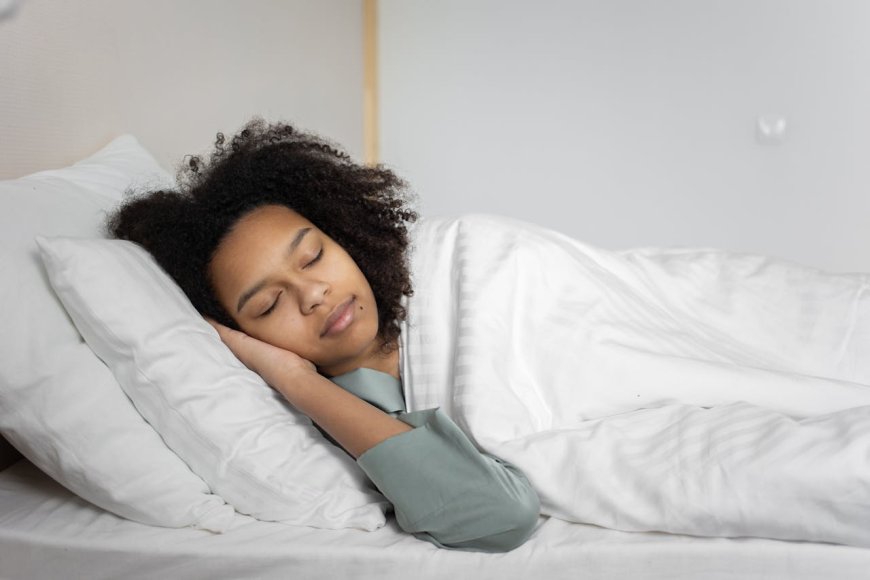
You've probably heard it a hundred times: 'get more sleep.' But when you're juggling deadlines, a social life, a part-time job, and the general chaos of university, sleep can feel like a luxury rather than a priority. Here's the thing: science disagrees. Sleep isn't downtime for your brain. It's actually when the most critical work happens.
The Numbers You Need to Know
The research on student sleep is striking, and not in a good way.
|
Students with poor sleep |
60% |
Based on Pittsburgh Sleep Quality Index studies across universities |
|
Students getting under 8 hrs |
70.6% |
Despite 8 hours being the recommended target for young adults |
|
Students experiencing daytime sleepiness |
50% |
Compared to 36% of the general adult population |
These figures aren't just tired students dragging themselves to a 9 am lecture. The consequences ripple through every part of university life, from the marks on your essays to how you feel on a Wednesday afternoon.
What Sleep Actually Does for Your Brain
During the night, your brain cycles through different stages of sleep, each with a distinct job. The stage known as Slow-Wave Sleep (SWS) is when the brain transfers information from short-term to long-term memory; it's essentially saving the file. REM sleep, the phase associated with dreaming, is linked to creativity, emotional processing, and complex problem-solving.
When those stages are cut short, what you studied the night before has a reduced chance of sticking. Research published in Frontiers for Sleep found that students who regularly use smartphones and tablets before bed not only report poorer sleep quality but also show measurable reductions in cognitive ability the following day.
Sleep and Your Grades: The Data
A large-scale study examining sleep deprivation in controlled conditions found that students who slept only 4–6 hours (versus a full 8–10 hours) showed:
- Memory performance reduced by over 20%
- Concentration scores dropping by nearly 23%
- Subject test scores (in this case, chemistry) declining by 35%
What's particularly important for university students is what this means for exams. Pulling an all-nighter to cram more information is one of the most counterproductive revision strategies you can adopt. The information simply doesn't consolidate properly without the sleep that follows learning.
The relationship works the other way, too. Good sleep consistently predicts better academic performance across multiple subject areas, with students sleeping adequate amounts showing stronger working memory, better attention, and improved problem-solving, exactly the skills that higher education demands.
Sleep, Stress, and Your Mental Health
Sleep and mental health are not separate issues. They are deeply intertwined in a cycle that can work for you or against you. Poor sleep increases the production of cortisol (your stress hormone), which makes it harder to sleep the following night. The resulting cycle of sleep deprivation and heightened stress is well-documented in student populations.
The mood effects are significant. Studies tracking students across controlled sleep conditions found that going from a full night's sleep to a shortened one produced striking changes in mood:
- Feelings of tension increased by nearly 65%
- Depression scores rose by over 63%
- Fatigue, anger, and confusion all increased substantially
Given that UK data from 2026 indicates 25.8% of 16–24-year-olds are living with a common mental health problem, protecting sleep is one of the most evidence-backed, accessible mental health interventions available, and it costs nothing.
Why Students Sleep Badly
It's not laziness or poor discipline. Several structural and biological factors work against good sleep during university years:
- Circadian phase delay: adolescent and young adult biology naturally shifts the sleep-wake cycle later, meaning your body wants to sleep and wake later than conventional schedules allow
- Early morning lectures create a conflict between biological sleep timing and institutional demands
- Screen use before bed: blue light from phones and laptops suppresses melatonin production, delaying sleep onset
- Academic stress and deadlines are disrupting the ability to switch off
- Social jetlag: sleeping very differently on weekends versus weekdays
- Irregular eating and alcohol use, both common in student life, disturb sleep architecture
Practical Steps That Actually Work
Protect your wind-down time
In the 60–90 minutes before bed, reduce screen brightness or use night mode, dim overhead lighting, and avoid stimulating content. Your nervous system needs a signal that the day is ending.
Keep a consistent wake time
You cannot reliably 'catch up' on sleep by sleeping in at weekends; it perpetuates the jetlag effect. A consistent wake time anchors your circadian rhythm. You can allow a 30-minute flex on weekends without significant disruption.
Use naps strategically
A short afternoon nap of 20–30 minutes has been shown to improve afternoon learning efficiency and memory consolidation. Longer naps can disrupt nighttime sleep, so keep them brief and avoid them after 3 pm.
Rethink your revision
Revising, then sleeping, then reviewing is more effective than extended late-night cramming. The sleep between sessions is doing significant work for you.
Temperature and environment
Your body temperature drops to initiate sleep. A cooler room (around 16–18°C) supports this. Dark, quiet conditions signal the brain that it's time to sleep.
The Bottom Line
Sleep is not wasted time. It is the period in which your brain consolidates everything you've learned, regulates your emotional responses, repairs your immune function, and resets your stress systems. For students, it may be the single highest-leverage health behaviour available.
You wouldn't skip eating and expect to perform at your best. Sleep deserves the same respect.

Instuly is the go-to website to discover side hustle ideas, tech and marketing skills, and ways to earn money as a student.