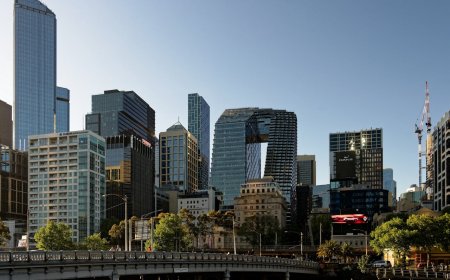

Study in Australia: Complete Guide for International Students

Australia has established itself as one of the world's most sought-after study destinations, welcoming more than 700,000 international students each year from over 190 countries. Whether you are drawn by world-class universities, a multicultural society, stunning natural landscapes, or strong post-study work opportunities, Australia offers an educational experience that is hard to rival anywhere else on the planet.
This comprehensive guide covers everything you need to know about choosing to study in Australia, from the cost of living and tuition fees to scholarship opportunities, the best cities for students, and what life is genuinely like on a student visa Down Under.
Why Study in Australia?
Australia consistently ranks among the top three most popular English-speaking study destinations globally, alongside the United States and the United Kingdom. But what exactly makes it so attractive to international students?
1. World-Class Education System
Australia is home to 43 universities, seven of which feature in the top 100 of the QS World University Rankings 2025. The country's higher education framework is governed by the Tertiary Education Quality and Standards Agency (TEQSA), ensuring that every registered institution meets rigorous academic and quality standards. Australian degrees are globally recognised and respected by employers worldwide.
2. Research Opportunities
Australia invests billions of dollars in research and development each year. International postgraduate students can access cutting-edge research facilities across areas including medical science, engineering, environmental sustainability, artificial intelligence, and agricultural innovation. Australia ranks in the global top 10 for research output per capita.
3. Cultural Diversity and Inclusivity
With over 30 per cent of its population born overseas, Australia is one of the most multicultural nations on earth. International students generally feel welcomed and find it easy to connect with communities from their home countries while also integrating into broader Australian society. Discrimination based on race, ethnicity, or religion is illegal under federal law.
4. Post-Study Work Rights
Australia offers some of the most generous post-study work rights in the world. Depending on your level of study and location of study, you may be eligible for a Temporary Graduate visa (subclass 485), allowing you to live and work in Australia for two to six years after graduation. This makes Australia particularly attractive to students to gain international work experience after completing their degree.
5. Strong Job Market
Australia's economy is one of the strongest and most stable in the Asia-Pacific region. International students studying in high-demand fields such as nursing, engineering, information technology, education, and accounting often find employment opportunities both during and after their studies. Many graduates go on to secure permanent residency through skilled migration pathways.
The Australian Education System Explained
Understanding how the Australian education system is structured will help you choose the right level and type of qualification for your goals.
Foundation and Pathway Programs
If you have not completed secondary school to the standard required for direct university entry, foundation programs (also called foundation year or university pathway programs) prepare you for undergraduate study. These typically last 8 to 12 months and are offered by universities and private providers alike.
Vocational Education and Training (VET)
Australia's VET sector provides practical, skills-based qualifications through TAFE (Technical and Further Education) institutes and registered training organisations (RTOs). Qualifications range from Certificate I through to Advanced Diploma and are highly regarded by Australian employers. Many VET graduates also use their qualifications as a pathway to university.
Undergraduate Degrees
Bachelor's degrees in Australia typically take three years to complete for most disciplines, though some fields, such as medicine, dentistry, law, and engineering, take four to six years. Many universities also offer honours years as an additional fourth year of specialised study.
Postgraduate Degrees
Postgraduate study options include Graduate Certificates (6 months), Graduate Diplomas (12 months), Master's degrees by coursework (1 to 2 years), Master's degrees by research (1 to 2 years), and Doctor of Philosophy (PhD) programs (3 to 4 years). Research degrees offer stipend scholarships for many international students.
How Much Does It Cost to Study in Australia?
Cost is one of the most important considerations for international students planning to study abroad. Australia is not the cheapest destination, but scholarships, part-time work rights, and a strong post-study job market make the investment well worthwhile for most students.
Tuition Fees
Tuition fees vary significantly depending on the institution, level of study, and field of study. Below are indicative annual fee ranges for international students:
- Foundation Programs: AUD $14,000 – AUD $22,000 per year
- VET/TAFE qualifications: AUD $4,000 – AUD $22,000 per year
- Undergraduate degrees: AUD $20,000 – AUD $45,000 per year
- Postgraduate coursework degrees: AUD $22,000 – AUD $50,000 per year
- MBA programs: AUD $35,000 – AUD $80,000 per year
- PhD programs: AUD $18,000 – AUD $42,000 per year (many are funded)
Medicine and veterinary science tend to command the highest fees, while humanities, arts, and social sciences are generally more affordable.
Living Costs
The Australian government requires international students to demonstrate they can cover living costs. As of 2025, the indicative annual living cost requirement is approximately AUD $29,710 for a single student. In practice, actual living costs depend heavily on the city and lifestyle. Major cities such as Sydney and Melbourne tend to be significantly more expensive than regional areas.
- Accommodation: AUD $800 – AUD $2,500 per month, depending on city and type
- Groceries and food: AUD $400 – AUD $700 per month
- Transport: AUD $80 – AUD $200 per month (student concession fares available)
- Health insurance (OSHC): AUD $500 – AUD $700 per year for singles
- Textbooks and study materials: AUD $500 – AUD $1,500 per year
Work Rights for International Students
International students on a student visa (subclass 500) are permitted to work up to 48 hours per fortnight during term time and unlimited hours during official university vacation periods. The Australian minimum wage is among the highest in the world, and even casual or part-time work can meaningfully offset living costs.
Scholarships to Study in Australia
There are hundreds of scholarships available specifically for international students in Australia, offered by the Australian government, universities, state governments, and private organisations.
Australia Awards Scholarships
Funded by the Australian government's Department of Foreign Affairs and Trade, Australia Awards are prestigious scholarships for students from developing countries in the Indo-Pacific region and beyond. They cover full tuition, return airfares, living allowance, and health cover for full degree programs. These are highly competitive and regarded as one of the most prestigious scholarship programs in the world.
Destination Australia Scholarships
The Destination Australia program encourages international students to study and live in regional Australia by providing scholarships of up to AUD $15,000 per year. This is an excellent option for students open to studying outside of the major capital cities.
University-Specific Scholarships
Most Australian universities offer their own merit-based and need-based scholarships for international students. Examples include the University of Melbourne Graduate Research Scholarships, the University of Sydney International Research Scholarships, and the ANU Vice-Chancellor's International Scholarships. Application processes and eligibility criteria vary by institution.
Research Training Program (RTP)
Domestic and international students enrolled in accredited research degrees (Master's by research or PhD) may be eligible for the Research Training Program, which covers tuition fees and provides a living stipend. Availability is subject to institutional allocation and academic merit.
Best Cities for International Students in Australia
Australia's major cities each offer a distinct lifestyle and range of educational options. Here is an overview of the most popular student destinations:
Sydney
Sydney is Australia's largest city and home to globally ranked institutions, including the University of Sydney, the University of New South Wales (UNSW), and Macquarie University. It is an iconic, cosmopolitan city with stunning harbour views, world-famous beaches, and a vibrant arts and culture scene. It is also among the more expensive Australian cities for accommodation and living costs.
Melbourne
Often ranked as one of the world's most liveable cities, Melbourne hosts the University of Melbourne, Monash University, RMIT University, and Deakin University, among others. Melbourne is celebrated for its coffee culture, laneway arts scene, sporting events, and excellent food diversity. It is slightly more affordable than Sydney while offering a similarly rich urban experience.
Brisbane
Brisbane has emerged as a dynamic and fast-growing student city, with the University of Queensland (UQ) and Queensland University of Technology (QUT) among its flagship institutions. With its subtropical climate, lower cost of living compared to Sydney and Melbourne, and a booming economy ahead of the 2032 Olympic Games, Brisbane is an increasingly popular choice.
Adelaide
Adelaide is often described as the most affordable major Australian city for international students. The University of Adelaide and the University of South Australia offer strong programs, and the city's smaller size makes it easy to navigate and build community. Adelaide also has strong connections to the defence, health, and wine industries.
Perth
Located on Australia's west coast, Perth is the gateway to Southeast Asia and offers a laid-back outdoor lifestyle. The University of Western Australia (UWA) and Curtin University are major institutions here. Perth's strong resources and mining sector create employment pathways, particularly for engineering and environmental science graduates.
Life as an International Student in Australia
Orientation and Support Services
Almost all Australian universities run comprehensive orientation programs for new international students, typically spanning one to two weeks before classes begin. These cover campus tours, academic integrity, student services, and social activities designed to help you settle in and make friends quickly.
Healthcare
International students are required to hold Overseas Student Health Cover (OSHC) for the duration of their student visa. OSHC provides access to basic medical services, hospital treatment, and some pharmaceutical benefits. Australia's public hospital system is world-class, and students living near university campuses often have access to on-campus health centres.
Mental Health and Wellbeing
All major Australian universities offer free or subsidised counselling services for enrolled students. Organisations such as Beyond Blue and Headspace provide national mental health support, including crisis lines, online chat, and local face-to-face services. Adjusting to life in a new country is challenging, and seeking support early is actively encouraged.
Student Accommodation Options
International students typically choose from on-campus residential colleges (most expensive but most socially immersive), homestays (living with an Australian family), purpose-built student accommodation (PBSA), share houses, or private rentals. First-year students are strongly advised to arrange accommodation before arriving in Australia.
Frequently Asked Questions: Study in Australia
Is Australia a good country to study in?
Yes, Australia consistently ranks among the top three most popular study destinations globally. It offers high academic standards, an internationally recognised qualification framework, generous post-study work rights, and a safe, multicultural environment.
How much money do I need to study in Australia?
You need to demonstrate sufficient funds to cover tuition fees plus living costs of at least AUD $29,710 per year when applying for a student visa. Total annual costs, including tuition, typically range from AUD $35,000 to AUD $70,000+, depending on institution and lifestyle.
Can I work while studying in Australia?
Yes. Student visa holders can work up to 48 hours per fortnight during term and unlimited hours during official university holidays.
What English language score do I need?
Most universities require a minimum IELTS Academic score of 6.0 to 6.5 overall (with no individual band below 5.5 to 6.0). Requirements vary by course and institution. PTE, TOEFL iBT, and Cambridge English qualifications are also widely accepted.

Instuly is the go-to website to discover side hustle ideas, tech and marketing skills, and ways to earn money as a student.