
UK Student Night Out in 2026: Is Going Out Still Worth It?

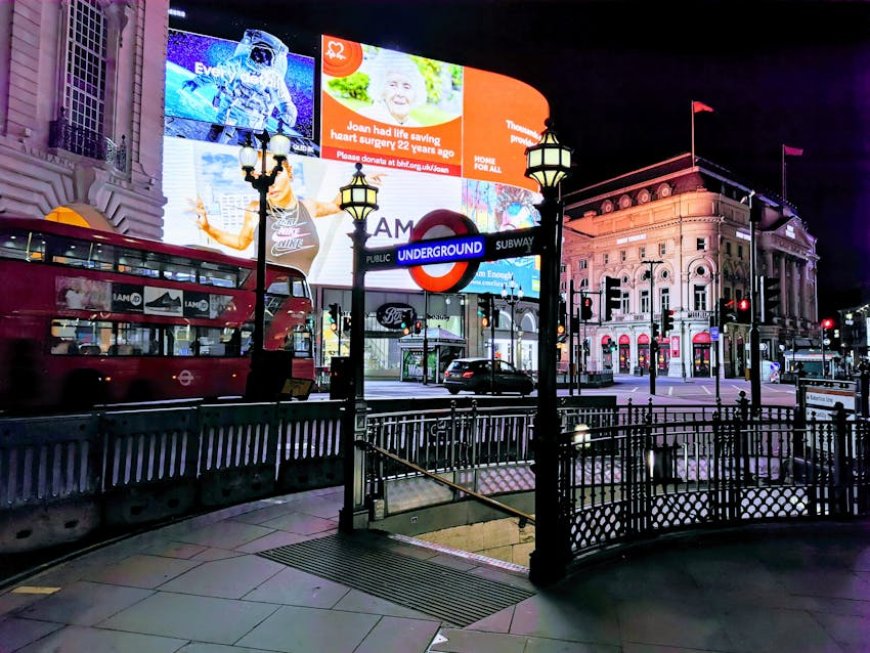
There's a version of UK student culture that lives rent-free in everyone's head. Sticky floors. £1 Jägerbombs. A queue outside a sweat-drenched union venue at midnight, everyone in some variation of the same outfit. Predrinks that started at 7 pm. Home at 4 am. Lecture at 9.
That version existed. Some of it still does. But the honest answer to whether going out in 2026 is worth it is more complicated and more interesting than a simple yes or no.
What Nights Out Actually Cost Now
Let's start with the numbers, because they're the reason this conversation is happening at all.
The most expensive UK university for nights out in 2025 is Imperial College London, where going out costs students a whopping £131 a month. A quarter of the 20 most expensive universities for a night out are also in London. That's not a one-off; it's a structural reality of studying in the capital.
London tops the list for the most expensive city for a student night out at around £76 per night, double that of Manchester at £38. That total includes night food, a taxi, nightclub entry, and drinks.
Outside London, the numbers are more manageable, but they've still moved. In student-friendly cities like York, entry fees typically range from £3 to £8, and drinks start from around £2.50. That's the kind of pricing that makes a night out feel accessible again. Sheffield and Leeds operate in similar territory. Birmingham has a reputation for free-entry club nights. The gap between London and everywhere else is real and significant.
The student loan squeeze means rising rent and prices have turned nights out into a luxury. The result is fewer venues, less variety, and when it costs £6 just to get into a sticky-floored club, many students are rethinking whether it's worth it.
The Pre-Drinks Revolution
Something has quietly shifted in how UK students relate to nights out, and it starts at home, not at the club door.
Pre-drinks have overtaken clubs for many students. Many prefer house parties or pres where they can control the music, costs, and the vibe. There's also a growing sober-curious movement, with a significant group of students opting for low- or no-alcohol alternatives. Cost is king: supermarket vodka beats £9 cocktails every time.
This isn't new behaviour, UK students have always done predrinks, but what's changed is the proportion of the night spent there. More students are now doing two or three hours at someone's flat and then heading out briefly, rather than spending the majority of the evening (and money) inside a venue. For some, the predrinks have essentially become the event, with the club being an optional final act.
The financial logic is undeniable. A litre of own-brand vodka from Aldi or Lidl costs less than two cocktails in most UK clubs. Four people splitting the cost of a house party spend less in a night than one person at a London venue.
Which Cities Are Actually Worth It
A 2025 Student Nightlife Index ranked Bath as the top spot for student nightlife, offering a compelling blend of quality venues and high safety scores. Leeds, sharing fourth place, is a vibrant hub with 325 bars and clubs, affordable soft drinks, and a strong average venue rating. York provides a quality nightlife experience with 119 bars and clubs, an excellent average rating, and a respectable safety score.
The index matters because it looks beyond just drink prices; it factors in how many venues there are, how good they are, and crucially, how safe the area is at night. A cheap drink in an unsafe area isn't a good deal.
The cities that consistently come out well for student nightlife value, good venues, reasonable prices, and are safe enough to walk home are Sheffield, Leeds, Newcastle, Nottingham, Bristol, and Glasgow. These cities have maintained a culture of genuinely student-focused venues that aren't trying to extract maximum spend from every customer.
London has world-class nightlife. It also has world-class prices. If you're studying in London and going out regularly, you will need to be strategic. Shoreditch, Dalston, and Brixton consistently offer better value than the West End, and areas like Shoreditch near Old Street offer a vibrant, more affordable night out with a youthful crowd and a diverse music scene compared to central London.
What's Actually Dying (And What Isn't)
UK nightlife isn't dead, it's shrinking, adapting, and getting more expensive. Students haven't stopped going out, they're just doing it less, and with more thought. Big club nights are being replaced by casual and curated experiences. Youth culture is far from dead; it's just moving with the times, from the dancefloor to the group chat.
Traditional large-capacity clubs, the kind that held 2,000 people and ran student nights every Wednesday, are closing across the UK. High operating costs, post-pandemic debts, and local council licensing restrictions have hit the industry hard. The venues that are thriving tend to be smaller, more specialised, the 400-capacity place with a really good sound system and a curated booking, rather than the warehouse club that plays the same chart set every Thursday.
The union night, the SU-run event in the university's own building, has become more important as external clubs have thinned out. Most UK universities still run union events that are meaningfully cheaper than going to a commercial venue. If you haven't explored what your SU puts on, it's worth doing.
The New Going-Out Calculus
Here's the honest framework students are now using, whether consciously or not: going out is a choice, not a default.
A £30–40 night out (which is realistic in most non-London cities once you count entry, drinks, and a taxi home) is a meaningful spend on a student budget. That doesn't mean it's not worth it; it means you should decide intentionally rather than drifting into it every week out of habit.
What makes it worth it: a proper event, a group of people you actually want to be with, a venue with music you like, in a city where it's not going to cost you £76 before you've eaten. What doesn't make it worth it: going out because it's Thursday and you feel like you should, spending two hours in a queue, paying £9 for a drink, and getting a taxi home that wipes out the rest of your budget.
The students who seem to enjoy their social lives most aren't the ones going out every week or the ones who've given up entirely. They're the ones who pick their nights selectively, do predrinks properly, and occasionally splash out on something actually good.
UK student nightlife in 2026 is alive, but it's no longer cheap by default, and it no longer runs on autopilot. Venues are fewer, prices are higher, and the culture has shifted toward being more selective about when and where you go.
Outside London, you can still have a genuinely great night for £20–25 if you're smart about it. Inside London, accept that it's expensive and budget accordingly, or lean into the growing culture of flat events and alternative social scenes that cost almost nothing.
The vibe is still there. You just have to work slightly harder to find the good version of it.
What's Your Reaction?
 Like
0
Like
0
 Dislike
0
Dislike
0
 Love
0
Love
0
 Funny
0
Funny
0
 Wow
0
Wow
0
 Sad
0
Sad
0
 Angry
0
Angry
0

Instuly is the go-to website to discover side hustle ideas, tech and marketing skills, and ways to earn money as a student.