

Local Festivals and Cultural Events Worth Putting in Your Calendar This Summer in Europe
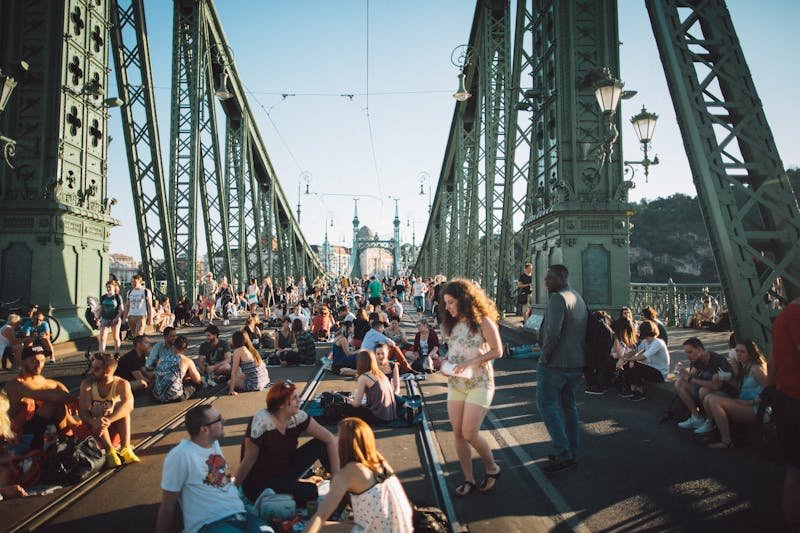
If you're a student in Europe this summer, you're sitting on a goldmine. Between June and September, the continent transforms into one giant open-air celebration, from free street festivals and ancient folk traditions to world-class music events that won't obliterate your budget. Here's a roundup of local festivals and cultural events that are genuinely worth blocking out on your calendar.
Why European Summer Festivals Are Perfect for Students
Europe's festival culture is uniquely student-friendly. Many events are free or heavily discounted for under-26s, most are reachable by train or cheap bus, and they double as incredible opportunities to meet locals, practise languages, and understand cultures beyond the classroom. Whether you're studying abroad or just making the most of a long summer break, these events offer experiences you can't get from a textbook.
Music & Arts Festivals
Pohoda Festival: Trenčín, Slovakia (July)
One of Central Europe's best-kept secrets. Pohoda is a laid-back, family-friendly festival held on an airport runway in western Slovakia, with an eclectic mix of indie, electronic, jazz, and world music. Tickets are affordable compared to Western European equivalents, and the atmosphere is genuinely warm and welcoming. If you're based in Prague, Vienna, or Budapest, it's an easy and cheap trip.
Sziget Festival: Budapest, Hungary (August)
Often called the "Island of Freedom," Sziget takes over an island in the Danube for a full week of music, theatre, circus arts, and cultural performances. It draws over 500,000 visitors and offers student discounts on multi-day passes. Budapest itself is one of Europe's most affordable capitals, making this a great all-round summer trip.
Primavera Sound Porto: Porto, Portugal (June)
The Porto edition of this legendary Barcelona festival has grown into its own beast, spreading across multiple coastal venues in the city. Expect cutting-edge indie, electronic, and alternative acts alongside incredible food and Atlantic sunsets. Porto is hugely popular with Erasmus students and young travellers, and accommodation is plentiful if you book ahead.
Roskilde Festival: Roskilde, Denmark (June/July)
One of the oldest and most respected music festivals in Europe, Roskilde is entirely non-profit; all proceeds go to humanitarian and cultural causes. Students studying in Scandinavia should absolutely make the effort. It's a multi-day camping experience with a strong community spirit that sets it apart from commercial events.
Traditional & Cultural Festivals
Midsommar Celebrations: Sweden & Finland (June)
If you're anywhere in Scandinavia around the summer solstice, Midsommar is unmissable. Villages across Sweden and Finland come alive with flower crowns, maypole dancing, traditional food, and bonfires. It's less of a ticketed event and more of a cultural institution; locals are generally welcoming to curious international students who want to join in.
La Fête de la Musique: France (21 June)
Every year on 21 June, France celebrates the summer solstice with a national day of free music. In Paris, Lyon, Bordeaux, Marseille, and hundreds of smaller towns, musicians of every genre perform on street corners, in courtyards, and in public squares, all for free. It's one of the most joyful days in the French calendar and requires zero budget.
Karneval der Kulturen: Berlin, Germany (May/June)
Berlin's Carnival of Cultures is a four-day street festival celebrating the city's extraordinary diversity. A huge parade on Sunday draws thousands of participants in elaborate costumes representing communities from around the world. It's free, vibrant, and quintessentially Berlin. Students based in Germany shouldn't miss it.
Festa de São João: Porto, Portugal (23–24 June)
Porto's midsummer celebration is one of the wildest street parties in Europe. On the night of 23 June, the entire city floods into the streets, locals bop each other on the head with plastic hammers (yes, really), fireworks light up the Douro river, and grilled sardines are eaten by the thousands. Entry is free, and the energy is extraordinary.
Edinburgh Festival Fringe: Edinburgh, Scotland (August)
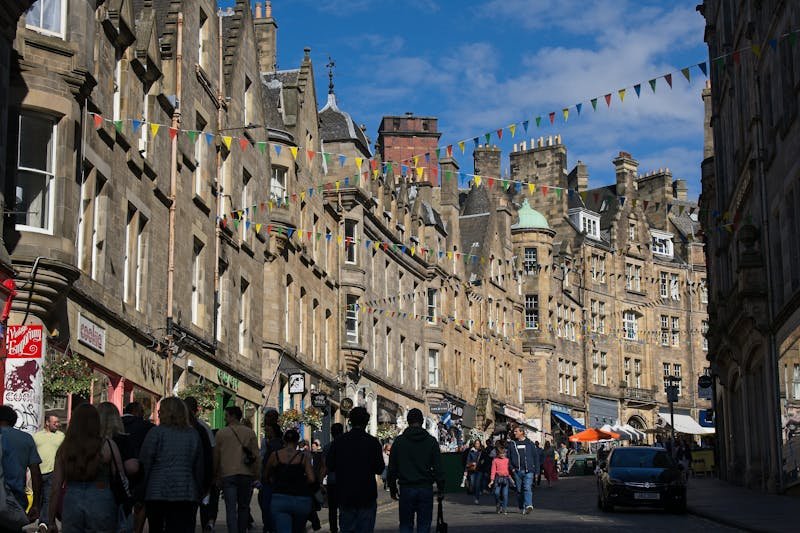
The world's largest arts festival turns Edinburgh into a month-long explosion of theatre, comedy, dance, and spoken word. Hundreds of shows are free, and student rush tickets for paid performances are often available at the door. If you're in the UK, this is an absolute must. The city itself becomes part of the spectacle.
Food & Local Culture Events
Slow Food Festival: Various Italian Cities (Summer)
Italy hosts dozens of local food festivals throughout the summer, celebrating regional cuisine, from truffle fairs in Umbria to wine festivals in Tuscany and seafood festivals along the Adriatic coast. Most are free to enter, with tastings available at low cost. These are brilliant for students studying in Italy or passing through.
Tomatina: Buñol, Spain (Late August)
La Tomatina is as chaotic and silly as it sounds: a town-wide tomato fight drawing visitors from across the world. It's a short trip from Valencia and has become a bucket-list event for students spending time in Spain. Book your spot and your change of clothes well in advance.
Tips for Students Attending European Festivals
- Book accommodation early. Hostels near festival towns fill up fast, especially for major events in August.
- Use rail passes strategically. An Interrail or Eurail pass can make festival-hopping genuinely affordable.
- Check student discount policies. Many European festivals offer reduced tickets for those under 26 or with a valid student ID.
- Go local. Smaller, regional festivals often offer more authentic experiences than the big international names, and your money goes directly into local communities.
- Travel light. Especially for multi-day camping festivals, packing smart makes a huge difference.
Europe's summer festival calendar is one of the continent's great gifts to students. Whether you're drawn to the pounding stages of Sziget, the candlelit streets of Porto on São João night, or the gentle absurdity of Swedish Midsommar, there's something here that will stay with you long after the semester ends. Make a shortlist, check the dates, and start planning. Summer fills up faster than you'd expect.

Instuly is the go-to website to discover side hustle ideas, tech and marketing skills, and ways to earn money as a student.