
Study in Malta: A Complete Guide for International Students
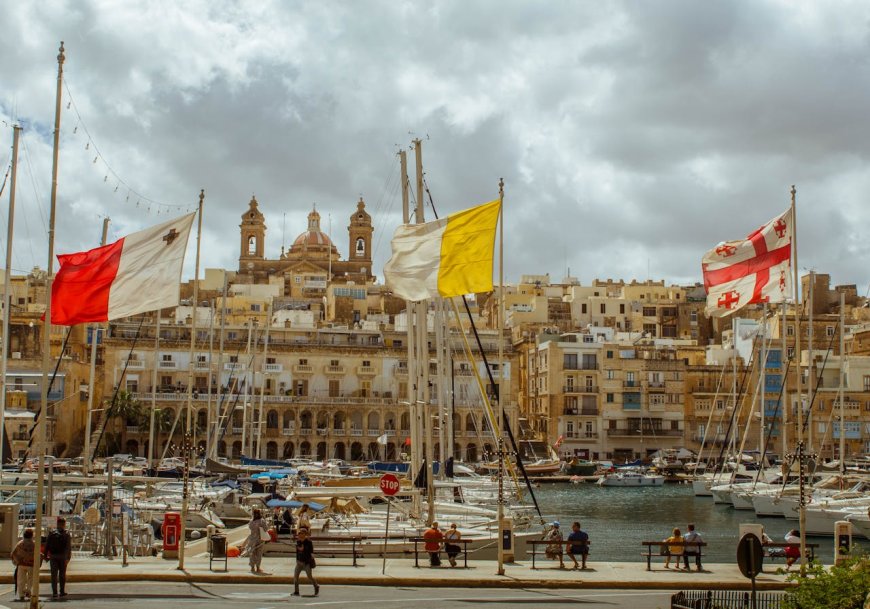
For many international students, choosing a study destination in Europe comes down to a balance of affordability, safety, language accessibility, and long‑term opportunities. Malta is a small island nation in the Mediterranean that has quietly become one of the most compelling choices. With its English‑speaking environment, globally recognised universities, and growing reputation as a technology and innovation hub, Malta offers a study experience that blends academic quality with a relaxed, culturally rich lifestyle.
In 2026, Malta continues to attract students from Africa, Asia, the Middle East, and Europe who want an EU education without the high costs or competitive barriers found in countries like the UK, Ireland, or the Netherlands. Its strategic location and warm climate make it a destination of choice and increasingly difficult to overlook.
Where is Malta located?
Malta is a small island country in the centre of the Mediterranean Sea. Its closest neighbours are Sicily to the north, Libya and Tunisia on the North African coast to the south and west, respectively. Malta is made up of an archipelago of islands, the three largest of which are inhabited.
Why Malta Is Emerging as a Top Study Destination
Malta’s rise in international education is not accidental. Over the past decade, the country has invested heavily in its higher education sector, digital infrastructure, and student mobility programs. English is one of the country’s two official languages, which removes the language barrier that often complicates study plans in continental Europe. This alone makes Malta uniquely accessible for students from Commonwealth countries, West Africa, South Asia, and the Middle East. Malta has two official languages, Maltese and English.
Beyond language, Malta offers a distinctive blend of academic and lifestyle advantages. The island is known for its safety, with one of the lowest crime rates in the EU. Its Mediterranean climate provides over 300 days of sunshine each year, creating an environment that feels more like a year‑round holiday than a traditional study destination. Yet beneath the relaxed atmosphere lies a serious academic ecosystem, anchored by institutions like the University of Malta, MCAST, and a growing number of private universities offering specialised programs in business, technology, medicine, and maritime studies.
The Higher Education Landscape in Malta
Malta’s education system is aligned with the European Higher Education Area (EHEA), meaning degrees are recognised across the EU and internationally. The University of Malta, founded in 1592, is one of the oldest universities in Europe and remains the country’s flagship institution. It offers a wide range of undergraduate and postgraduate programs, particularly strong in fields such as engineering, ICT, medicine, law, and humanities.
Alongside the University of Malta, the Malta College of Arts, Science and Technology (MCAST) provides vocational and applied programs that appeal to students seeking practical, industry‑aligned training. Private institutions, including the American University of Malta, Global College Malta, and various specialised academies, offer alternative pathways with modern campuses and international faculty.
What makes Malta’s academic environment particularly attractive is its integration with industry. The country has positioned itself as a hub for fintech, gaming, blockchain, aviation, and maritime logistics. Students studying in these fields often benefit from internships, industry placements, and exposure to real‑world projects that enhance employability.
Cost of Studying and Living in Malta
Compared to major European destinations, Malta offers a more affordable study experience. Tuition fees vary by institution, but they generally fall below those of the UK, Ireland, or the Netherlands. Public universities tend to be more affordable, while private institutions offer competitive pricing for specialised programs.
Living costs are moderate by European standards. While accommodation in central areas like Sliema or St. Julian’s can be higher, students often find more affordable housing in areas such as Msida, Gżira, or Birkirkara. The island’s compact size means transportation costs are low, and many students rely on buses or walking to get around. Food, utilities, and entertainment are reasonably priced, especially when compared to Western European capitals.
Student Life in Malta: Culture, Community, and Lifestyle
Studying in Malta offers more than academic credentials; it provides a lifestyle that blends Mediterranean culture with modern convenience. The island is known for its welcoming atmosphere, and international students often find it easy to integrate into local communities. English-speaking locals, diverse student populations, and a strong expat presence create an environment where newcomers feel at home quickly.
Malta’s cultural heritage is rich and visible everywhere. From the ancient temples of Ħaġar Qim to the baroque architecture of Valletta, the island offers endless opportunities for exploration. Students enjoy a vibrant social scene, with cafés, beaches, festivals, and nightlife concentrated in areas like St. Julian’s and Sliema. Outdoor activities, including diving, sailing, hiking, and swimming, are accessible year-round thanks to the mild climate.
The island’s small size also means students can travel easily. Weekend trips to Gozo, boat tours around the Blue Lagoon, and cultural events in Valletta are part of everyday student life. For those who want to explore beyond Malta, the island’s central Mediterranean location provides quick access to Italy, Greece, Spain, and North Africa.
Work Opportunities for International Students
Malta allows international students to work part‑time while studying, which helps offset living costs and provides valuable experience. The country’s growing digital economy, especially in gaming, fintech, and IT, creates opportunities for students with technical or business skills. Hospitality and tourism also offer flexible part‑time roles, particularly during peak seasons.
After graduation, Malta’s post‑study pathways are increasingly attractive. The country’s Startup Residence Program, tech‑focused job market, and demand for skilled workers in ICT, engineering, healthcare, and finance make it possible for graduates to transition into long‑term employment or entrepreneurship. Many students choose Malta specifically because it offers a realistic path to EU residency through work or startup routes.
Visa Requirements and Application Process
International students from outside the EU must apply for a Maltese student visa. The process typically involves securing admission to a recognised institution, demonstrating financial capacity, and providing proof of accommodation and health insurance. Malta’s visa processing is generally straightforward, and the country has made efforts to streamline the experience for students.
Once in Malta, students receive a residence permit that allows them to live and study legally. Renewals are typically tied to academic progress and program duration.
Why Malta Is a Smart Choice for 2026 and Beyond
Malta’s appeal as a study destination continues to grow because it offers something rare: an English‑speaking EU education that is accessible, affordable, and connected to real opportunities. Students benefit from a safe environment, a multicultural society, and a thriving economy that values innovation and global talent.
In 2026, Malta stands out not just as a place to earn a degree, but as a place to build a future. Whether your goal is to pursue a career in Europe, launch a startup, or simply study in a beautiful and welcoming environment, Malta provides a pathway that is both practical and inspiring.
What's Your Reaction?
 Like
0
Like
0
 Dislike
0
Dislike
0
 Love
0
Love
0
 Funny
0
Funny
0
 Wow
0
Wow
0
 Sad
0
Sad
0
 Angry
0
Angry
0

Instuly is the go-to website to discover side hustle ideas, tech and marketing skills, and ways to earn money as a student.