Study in Malta vs Study in Ireland: Which Is Better for International Students?

Choosing between Malta and Ireland is a decision many international students face when looking for an English‑speaking study destination in Europe. Both countries offer high‑quality education, globally recognised degrees, and strong post‑study opportunities. Yet the experience, cost, visa rules, and long‑term prospects differ significantly.
In 2026, Malta has emerged as a rising Mediterranean alternative to Ireland’s well‑established academic reputation. While Ireland remains a global hub for tech, research, and multinational companies, Malta offers a more affordable, relaxed, and accessible pathway into the EU education system. Understanding the differences helps students choose the country that aligns with their academic goals, financial situation, and long‑term plans.
Academic Reputation and University Landscape
Ireland has long been recognised as one of Europe’s top destinations for higher education. Its universities, including Trinity College Dublin, University College Dublin, and University of Galway, consistently rank among the world’s best. Ireland’s research output, industry partnerships, and strong STEM programs attract students from across the globe, especially those pursuing engineering, computer science, business, and health sciences.
Malta, by contrast, offers a smaller but rapidly modernising academic ecosystem. The University of Malta, one of Europe’s oldest institutions, provides a wide range of programs in ICT, engineering, medicine, and humanities. MCAST delivers vocational and applied programs, while private institutions such as the American University of Malta and Global College Malta offer specialised degrees in business, technology, and maritime studies.
While Ireland offers more globally ranked universities, Malta provides a more intimate academic environment with smaller class sizes, accessible faculty, and strong integration with local industries such as gaming, fintech, aviation, and maritime logistics.
Language, Culture, and Student Life
Both Malta and Ireland are English‑speaking countries, which removes one of the biggest barriers for international students. However, the cultural experience differs dramatically.
Ireland offers a vibrant, cosmopolitan lifestyle with a strong student culture. Cities like Dublin, Cork, and Galway are known for their music, festivals, nightlife, and multicultural communities. The Irish are famously welcoming, and international students often integrate easily into campus life.
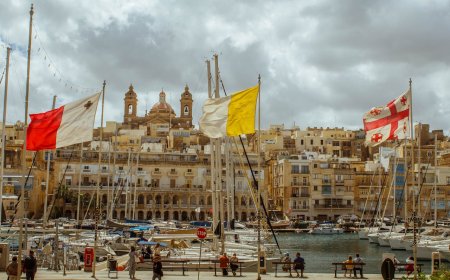
Malta provides a Mediterranean lifestyle with European and North African influences. With over 300 days of sunshine, beaches, historic sites, and a relaxed pace of life, Malta appeals to students who want a quieter, warmer, and more affordable environment. The island’s compact size means students can explore the entire country without long travel times, and the international community is growing rapidly.
Ireland offers a more traditional university-city experience, while Malta offers a lifestyle that feels closer to a year‑round holiday, without compromising academic quality.
Cost of Living and Tuition Fees
This is where the difference becomes most visible.
Ireland is one of the most expensive study destinations in Europe. Tuition fees for non‑EU students are high, especially in STEM and business programs. Living costs in Dublin, one of Europe’s priciest cities, can be a challenge for students, with accommodation shortages driving up rent. Even in smaller cities, expenses remain significantly higher than the EU average.
Use our budget calculator to compare.
Malta, on the other hand, offers a more affordable study experience. Tuition fees are generally lower, especially at public institutions. Living costs are moderate, and students can find reasonably priced accommodation in areas like Msida, Gżira, and Birkirkara. Food, transport, and entertainment are also more budget‑friendly compared to Ireland.
For students prioritising affordability, Malta provides a clear advantage.
Work Opportunities During and After Studies
Ireland is one of Europe’s strongest employment markets for international graduates. The country hosts major global companies. including Google, Meta, Apple, Pfizer, and Intel, and has a thriving tech and pharmaceutical sector. Students can work part‑time during their studies and benefit from the Third Level Graduate Scheme, which allows non‑EU graduates to stay in Ireland for up to two years (for master’s graduates) to seek employment.
Malta also allows international students to work part‑time, and its economy is expanding in areas such as gaming, fintech, aviation, and tourism. While the job market is smaller than Ireland’s, opportunities do exist for students with technical or business skills. Malta’s Startup Residence Program and demand for skilled workers provide realistic pathways for graduates who want to remain in the country.
Ireland offers a larger job market and more multinational employers, while Malta offers easier access to entrepreneurship and startup pathways.
Visa Requirements and Post‑Study Pathways
Ireland Student Visa (Non‑EU Students)
International students must apply for a D‑Study Visa. Requirements include proof of tuition payment, financial capacity, health insurance, and acceptance into a recognised institution. Ireland’s visa system is well‑structured, and students receive a residence permit (IRP) upon arrival.
Post‑study, Ireland offers one of Europe’s most generous graduate schemes. Bachelor’s graduates can stay for one year, while master’s graduates can remain for two years to find employment. This makes Ireland highly attractive for students seeking long‑term career opportunities.
Malta Student Visa (Non‑EU Students)
Students must apply for a Maltese national visa and later obtain a residence permit. Requirements include proof of admission, financial means, accommodation, and health insurance. Malta’s visa process is generally straightforward, though processing times vary by country.
Malta’s post‑study options are improving rapidly. Graduates can transition into work permits, especially in high‑demand sectors, or pursue the Malta Startup Residence Program, which is one of Europe’s most accessible entrepreneurship pathways. This makes Malta particularly appealing for students who want to build a business or join the island’s growing tech ecosystem.
Which Country Should You Choose?
The choice between Malta and Ireland depends on your priorities.
Students who want a globally ranked university, a large job market, and strong post‑study employment opportunities may find Ireland the better fit. It is ideal for those pursuing careers in tech, pharmaceuticals, finance, and research.
Students who prioritise affordability, a relaxed lifestyle, smaller class sizes, and accessible pathways to entrepreneurship may find Malta more suitable. It offers a unique blend of EU education, English‑speaking convenience, and Mediterranean living at a lower cost.
Both countries offer high‑quality education and strong long‑term prospects, but the experience, cost, and lifestyle differ significantly.
What's Your Reaction?
 Like
0
Like
0
 Dislike
0
Dislike
0
 Love
0
Love
0
 Funny
0
Funny
0
 Wow
0
Wow
0
 Sad
0
Sad
0
 Angry
0
Angry
0

Instuly is the go-to website to discover side hustle ideas, tech and marketing skills, and ways to earn money as a student.